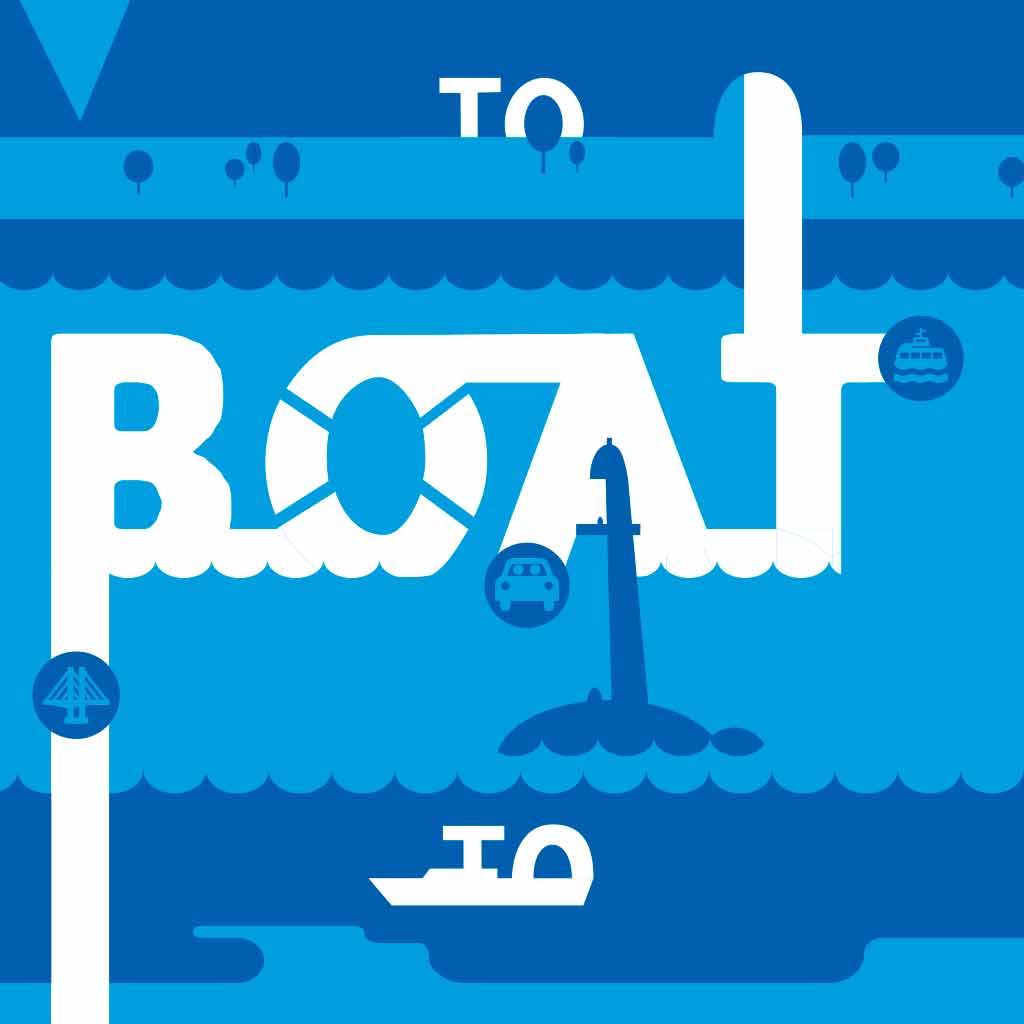
Commissioned by TransLink to deliver a high-traffic regional brand activation at the Pacific National Exhibition (PNE) celebrating their ‘Transport 2050’ master plan, this installation frames a public touchpoint through the lens of modern infrastructure. Tasked with communicating a future-focused vision centered on sustainability, energy expansion, and universal accessibility, I chose to look past passive, decorative imagery.
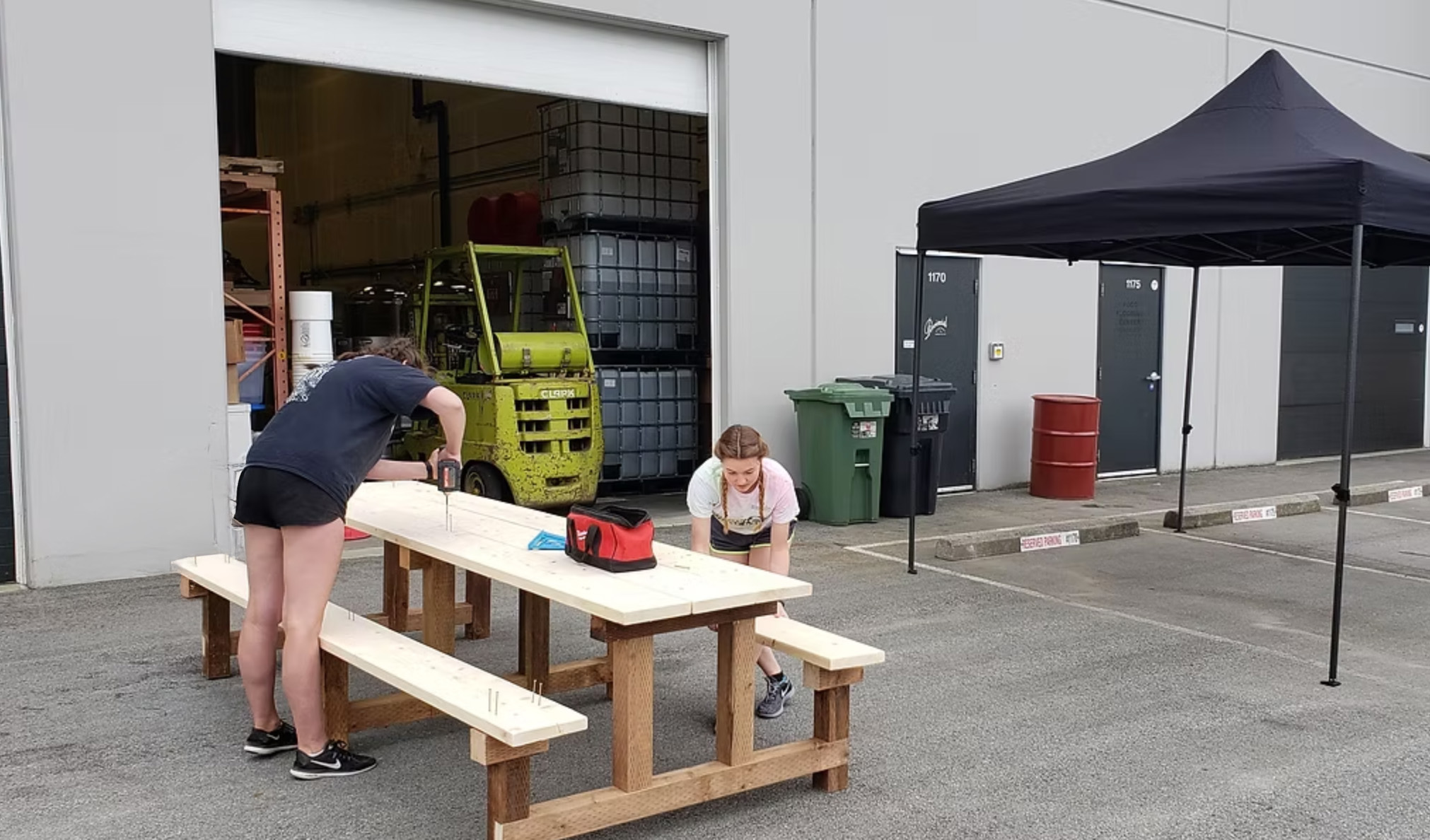
Instead, I audited and re-engineered a utilitarian staple of public parks: the standard picnic table. Recognizing that conventional outdoor seating features massive physical barriers to entry, I researched, sourced, and prototyped a specialized, highly accessible architectural design featuring open, continuous step-through framing along the base. This structural choice drastically lowers physical friction, making seating effortless for a diverse range of public demographics. By hand-painting a custom typographic mural across this optimized framework—using continuous line illustration and bespoke iconography that mirrors regional transit routes—the installation transforms a simple rest area into a highly intentional, accessible, and shared artifact of the future of urban mobility.
PROJECT IMPACT + METRICS
Footprint Engagement: Sourced and engineered an accessible seating asset that successfully maximized dwell time, allowing hundreds of daily festival attendees to comfortably rest and interact directly with the TransLink 2050 campaign materials.
Target Demographic Reach: Strategically positioned the installation within a high-traffic pavilion at the PNE, exposing TransLink’s future-focused messaging to a diverse regional audience of over 50,000+ daily venue visitors.
Earned Media Amplification: Designed a vibrant, photo-friendly typographic mural that turned a standard public asset into an interactive photo backdrop, driving organic peer-to-peer social media shares and digital brand impressions.
Educational Touchpoints: Transformed passive transit data into an accessible, physical art piece, successfully translating complex long-term expansion goals into a relatable, community-focused conversation starter.
Universal Design + Procurement Strategy
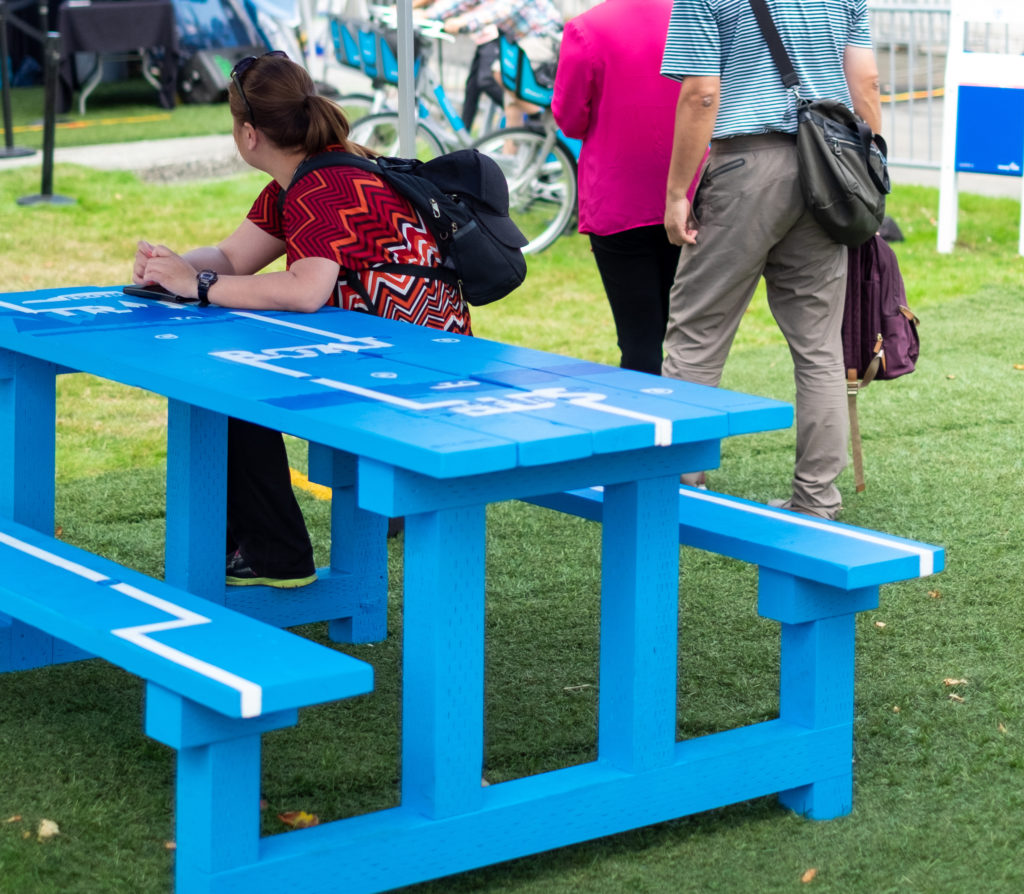
Rather than utilizing a standard picnic table, the project involved rigorous structural research to balance budget limitations with maximum public accessibility. By selecting an open-base, step-through picnic table and collaborating with local fabrication professionals, the footprint was optimized for diverse body types and accessibility needs—tangibly reflecting TransLink’s multi-decade mandate for inclusive public transit architecture.
Typographic Cartography + Identity System
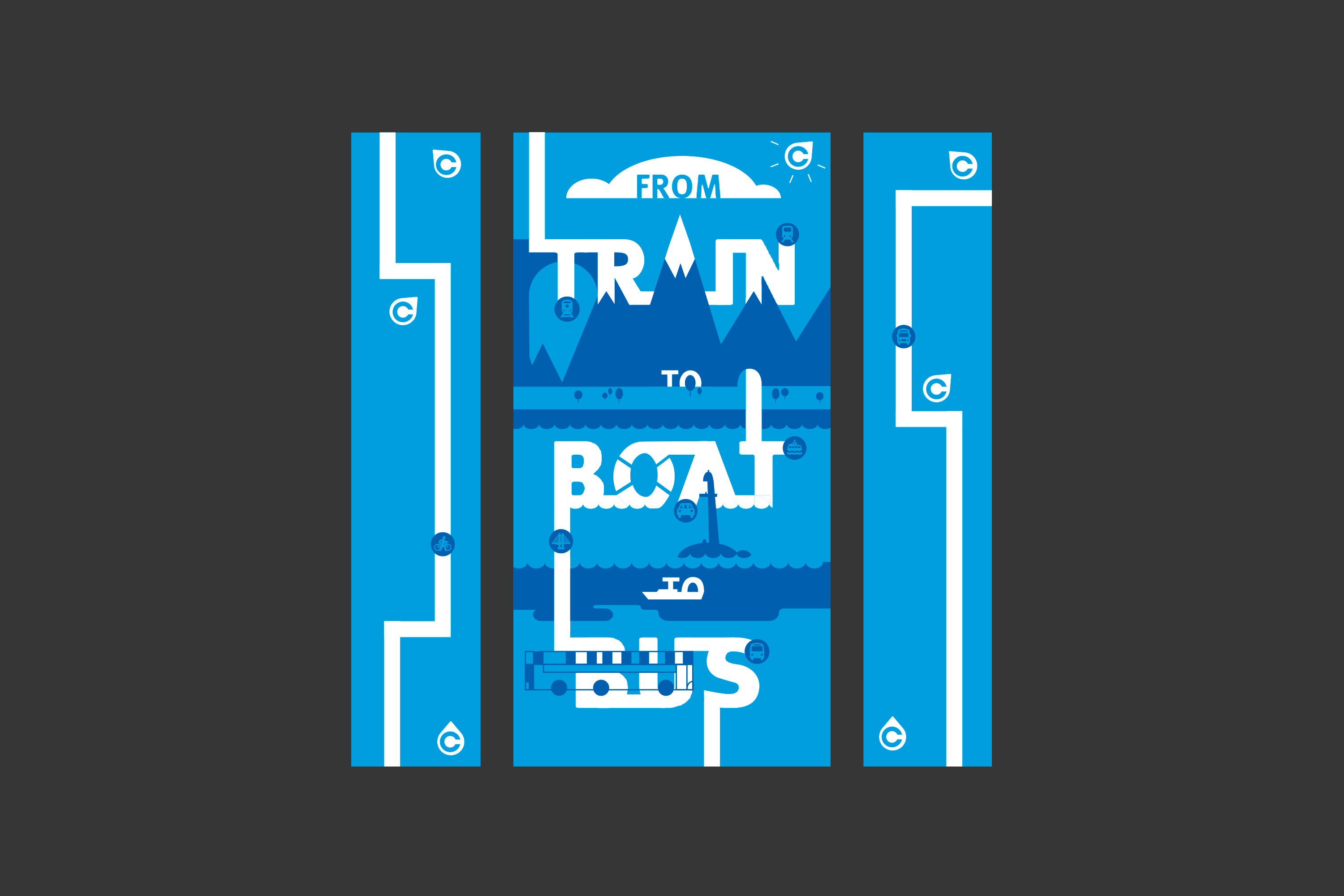
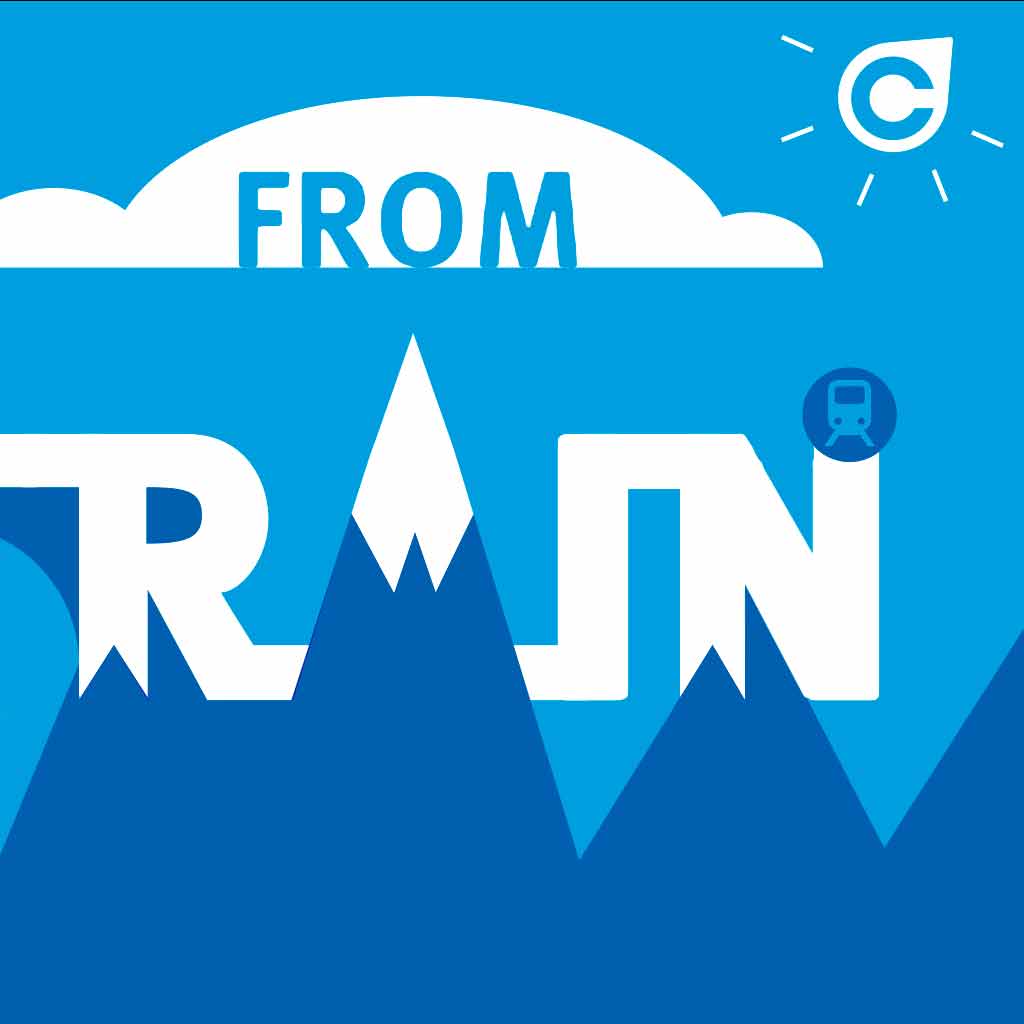
The surface mural uses an integrated transit-line typographic system, wrapping phrases like ‘From Train to Boat to Bus’ continuously around the contours of the wood. The layout applies custom geographic iconography and brand-aligned corporate color palettes, treating the entire physical asset as an abstract transit map that guides the user’s eye and stimulates high-volume organic social sharing on the event floor.
Spatial Interaction + Execution Detail
This final phase captures the execution details and real-world utility of the installation on the event floor. The close-up images show the application of the custom transit iconography and typography across the wood grain. To align with a future-focused campaign, the illustration style relies on clean negative space rather than heavy, rigid borders. This gave the traditional wooden picnic table a more modern, lightweight, and streamlined aesthetic that fits a forward-thinking brand narrative.
Photographed live at the PNE, the final view shows the design in use, with an attendee utilizing the open, step-through seating framework. By removing the physical barriers found in standard public benches, the installation worked exactly as planned—providing a highly accessible rest station that naturally shared TransLink’s future-focused messaging with festival attendees.